Importing tiles from China can be a cost-effective option for distributors, building material wholesalers, contractors, developers, and renovation project buyers. However, the final import cost is not simply the factory price per square meter. Ocean freight, customs duties, import taxes, port handling, customs clearance, inland delivery, packaging, and possible breakage all affect the total amount a buyer pays.
For most tile importers, the total landed cost is the most important figure to calculate before placing an order. Landed cost includes the product purchase price and the expenses required to transport, clear, and deliver the tiles to the buyer's warehouse or project site. The exact amount depends on the destination country, tile type, order volume, shipping method, customs classification, and agreed Incoterms.
When importing ceramic or porcelain tiles from China, buyers should request a detailed quotation, confirm the container loading plan, check the import duties applicable to their country, and compare the complete logistics cost rather than focusing only on the tile price.
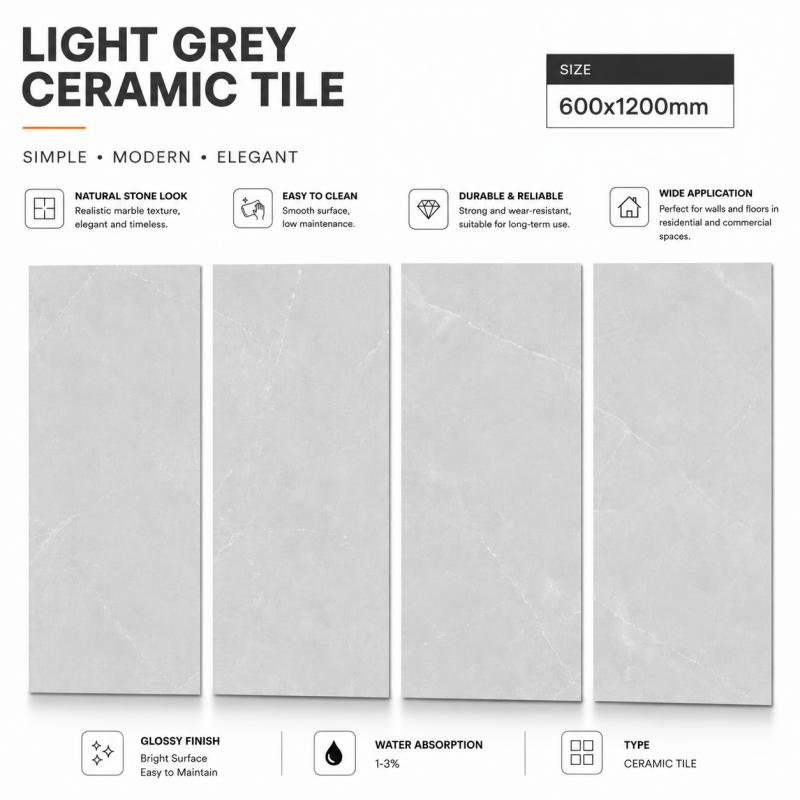
Large-format ceramic tiles are commonly sourced from China for residential, hospitality, commercial, and wholesale projects.
What Is the Total Cost of Importing Tiles from China?
The total cost of importing tiles from China generally includes the following expenses:
- Tile purchase price from the manufacturer
- Packaging and export preparation
- Origin charges and export documentation, depending on the quotation terms
- Ocean freight or other international transportation
- Cargo insurance
- Import customs duty and applicable taxes
- Destination port handling and terminal charges
- Customs broker or clearance fees
- Inland transportation from the port to the warehouse or project site
- Inspection, storage, demurrage, or other additional charges when applicable
For a container shipment, the tile purchase price and international freight are often the largest components. However, import taxes and destination charges can significantly change the final cost, particularly for buyers importing into countries with higher tariffs or expensive port and inland logistics.
The following formula provides a practical starting point:
Landed Cost = Tile Purchase Price + Freight + Insurance + Import Duty + Taxes + Port Charges + Customs Clearance + Inland Delivery + Other Import Expenses
For wholesale buyers, it is also useful to calculate the landed cost per square meter:
Landed Cost per m² = Total Import Cost ÷ Total Usable Tile Area
This figure provides a much more realistic basis for comparing suppliers and estimating resale margins than the factory quotation alone.
How Much Do Tiles from China Cost?
The factory price of tiles varies depending on the material, size, thickness, surface finish, design, quality requirements, packaging, order quantity, and customization. Ceramic wall tiles, rustic floor tiles, polished tiles, porcelain tiles, and large-format tiles do not have the same production cost.
For example, a simple standard-size ceramic wall tile may have a different price structure from a large-format marble-look porcelain tile with a customized surface design. Special packaging, private labeling, additional quality inspection, or customized specifications can also affect the quotation.
When comparing tile quotations from China, buyers should confirm whether the quoted price is based on:
- Price per piece, box, square meter, or pallet
- FOB, EXW, CIF, or another Incoterm
- Standard packaging or customized packaging
- Regular production or OEM/ODM requirements
- Specified tile size, thickness, finish, and quality grade
- Full container order or mixed-product order
AONAV supplies different product styles and sizes for wholesale and project purchasing, including interior wall tiles for kitchens, bathrooms, residential spaces, hotels, and commercial interiors. Buyers can compare designs and specifications before requesting a project quotation.
Ocean Freight Cost for Importing Tiles from China
Ocean freight is usually the preferred shipping method for bulk tile orders because ceramic and porcelain tiles are heavy and relatively low in value per unit of volume compared with many other products. Shipping by sea generally makes more sense than air freight for container-scale purchases.
The actual freight cost depends on several factors:
- Shipping route and destination port
- Container type and availability
- Seasonal demand and carrier capacity
- Fuel prices and shipping surcharges
- Origin and destination terminal charges
- Whether the shipment is FCL or LCL
- Booking date and transit schedule
FCL (Full Container Load) is generally suitable for wholesale buyers or larger construction projects with enough volume to use a container efficiently. LCL (Less than Container Load) allows smaller shipments to share container space, but buyers may face additional consolidation, handling, and destination charges.
Tiles are heavy products, so container planning needs to consider both volume and payload weight. A container may reach its permitted cargo weight before all available space is filled, depending on the tile size, carton dimensions, pallet arrangement, and shipping restrictions.
For this reason, buyers should ask the supplier or freight forwarder to calculate the loading plan based on the actual tile specifications rather than estimating container capacity using square meters alone.

Proper carton protection, pallet arrangement, and container loading help reduce handling damage during international transportation.
Import Duty, VAT, and Customs Taxes
Import duties and taxes are determined by the destination country's customs regulations, product classification, customs value, origin, and applicable trade policies. There is no single import tax rate that applies to every country importing tiles from China.
Before placing an order, buyers should confirm the correct HS code or tariff classification for their ceramic or porcelain tile products. Depending on the country, customs charges may include:
- Import customs duty
- Value-added tax (VAT)
- Goods and services tax (GST)
- Additional tariffs or trade remedies
- Customs processing or inspection fees
In some countries, VAT or GST may be recoverable by registered businesses, subject to local rules. Even when recoverable, the tax may still affect cash flow during the import process.
Buyers should check the current tariff rate with their customs broker or official customs authority before calculating the final import cost. A supplier's shipping quotation does not automatically include destination import duties or taxes unless the agreed delivery terms specifically cover them.
For project buyers importing wall tiles, floor tiles, or decorative ceramic products, confirming the product description, material, size, and classification before shipment can help avoid customs delays and unexpected charges.
Other Import Expenses That Buyers Often Overlook
Many first-time tile importers calculate the factory price and ocean freight but forget the additional expenses required to move the goods from the port to their final destination.
| Expense | What It Covers | Why It Matters |
|---|---|---|
| Port handling | Terminal handling, container processing, and cargo handling | Can vary by port and shipping arrangement |
| Customs clearance | Broker service and documentation processing | Required to release the goods from customs |
| Inland delivery | Truck transportation from port to warehouse or job site | Distance, vehicle type, unloading requirements, and road restrictions affect cost |
| Cargo insurance | Protection against covered transport losses or damage | Tiles are fragile and should be insured appropriately |
| Inspection | Pre-shipment quality inspection or destination inspection | Helps verify specifications and order quality |
| Demurrage and storage | Charges caused by delays beyond free time | Can increase costs if customs clearance or collection is delayed |
| Unloading | Labor, forklift, crane, or warehouse unloading services | May not be included in the delivery quotation |
| Breakage and shortage | Potential loss of usable tile quantity | Affects the actual cost per usable square meter |
For fragile building materials, packaging and loading quality deserve particular attention. Export cartons, corner protection, pallets where appropriate, container loading arrangements, and cargo securing can all influence the risk of damage during transit.
Buyers importing tiles for a project should also consider ordering an appropriate quantity of spare tiles. Replacement tiles may be difficult to source later if a design, shade, or production batch changes.
Example: Calculate the Landed Cost of a Tile Container
The following example illustrates how a buyer might estimate the total cost of importing a container of tiles from China. These figures are hypothetical planning assumptions, not current freight rates or an actual AONAV quotation. Actual charges depend on the destination country, product, shipping route, customs rules, and supplier terms.
Example shipment assumptions:
- Quantity: 1,000 m² of ceramic tiles
- Tile purchase price: US$8.00 per m²
- Shipment: One container
- Ocean freight: US$2,400
- Insurance: US$100
- Illustrative import duty: 5% of CIF value
- Illustrative VAT: 10% of an assumed taxable import base
| Cost Item | Calculation | Estimated Cost (USD) |
|---|---|---|
| Tile purchase | 1,000 m² × $8.00 | $8,000 |
| Ocean freight | Illustrative freight quote | $2,400 |
| Insurance | Illustrative estimate | $100 |
| CIF value | Product + freight + insurance | $10,500 |
| Import duty | 5% × $10,500 | $525 |
| Destination port charges | Illustrative estimate | $1,000 |
| Customs clearance | Illustrative broker fee | $250 |
| Inland delivery | Illustrative port-to-warehouse cost | $700 |
| Subtotal before VAT | Total of the above costs | $12,975 |
| Illustrative VAT | 10% × assumed taxable base of $12,025 | $1,202.50 |
| Estimated total landed cost | Including the illustrative duty and VAT | $14,177.50 |
Under these hypothetical assumptions, the total cost would be approximately US$14.18 per m² for 1,000 m² of tiles.
The assumed VAT calculation is only for illustration. Actual taxable bases may differ by country and may include or exclude different charges. The duty and VAT rates in this example are not recommendations for any particular destination.
This example demonstrates why a tile quotation of US$8 per m² does not necessarily mean the buyer's final cost will be US$8 per m². Import expenses can add a substantial amount, and the actual total must be calculated using destination-specific charges.
How Container Quantity Affects Tile Import Cost
The quantity ordered has a direct effect on the cost per square meter because some logistics expenses are charged per shipment or container rather than per tile.
For example, if a buyer imports a small quantity of tiles by LCL, the shipment may incur consolidation fees, handling charges, and additional warehouse processing. A full container may spread the fixed shipping expenses across a larger quantity of products.
However, ordering a full container is not automatically cheaper if the buyer cannot sell or use the entire quantity. Inventory costs, storage space, cash flow, and the risk of unsold products also need to be considered.
When planning a container order, buyers should calculate:
- Total square meters per tile design and size
- Cartons and pallets required
- Container payload and loading capacity
- Product mix and compatibility for loading
- Expected sales or project consumption
- Extra quantity for installation waste and future repairs
For distributors, a container order with several carefully selected designs may provide a better balance between shipping cost and inventory turnover, provided the supplier confirms the mixed loading plan and production availability.
AONAV offers a range of ceramic and porcelain tile products for wholesale and project sourcing. Buyers can review different sizes, surface finishes, and designs before arranging a container order.
Which Tiles Can You Import from China?
China supplies a wide range of ceramic and porcelain tiles for different markets, building projects, and distribution channels. The best product selection depends on local demand, installation requirements, price positioning, and the type of customers you serve.
Ceramic Wall Tiles
Ceramic wall tiles are widely used in kitchens, bathrooms, residential interiors, and commercial spaces. Their range of colors, patterns, sizes, and finishes makes them suitable for retailers, renovation contractors, and project buyers.
Buyers sourcing wall tiles can review AONAV's interior wall tile collection for different decorative styles, sizes, and product options.
Exterior Wall Tiles
Exterior wall tiles are selected according to the building façade design, installation system, weather exposure, and technical requirements. For projects involving outdoor walls, buyers should confirm the product's suitability for the intended application and local building requirements.
Explore exterior wall tile products when sourcing tiles for façades and outdoor architectural applications.
Rustic Floor Tiles
Rustic floor tiles often feature stone-inspired patterns, textured finishes, or natural-looking surface variations. They are suitable for buyers looking for traditional, natural, or contemporary architectural styles, depending on the design and product specification.
AONAV's rustic floor tile collection offers design options for residential and commercial flooring projects.
Full Polished Tiles
Full polished tiles are selected for their smooth, reflective surface and decorative appearance. They are commonly used in living rooms, hotel interiors, retail spaces, reception areas, and other applications where a bright visual finish is preferred.
Buyers interested in glossy finishes can explore full polished tile products for different colors, sizes, and marble-inspired patterns.
Wood-Look Tiles
Wood-look ceramic tiles combine a timber-inspired appearance with ceramic tile characteristics. They are used in residential interiors, kitchens, bathrooms, and commercial spaces where buyers want a wood-style design with tile-based maintenance requirements.
For alternative flooring designs, review the wood-look tile collection.

A tile showroom allows importers to compare color, surface finish, texture, and product combinations before confirming bulk orders.
How to Reduce the Cost of Importing Tiles from China
Importers can reduce unnecessary expenses by planning product selection, shipping, and order requirements before production begins. The goal is not simply to find the lowest factory price, but to reduce the total cost without compromising product quality or project requirements.
- Compare suppliers using the same specifications. Tile size, thickness, finish, quality grade, packaging, and quantity should be consistent when comparing quotations.
- Plan container loading carefully. Check carton dimensions, loading quantity, payload, and whether mixed designs can be loaded efficiently.
- Consolidate orders where practical. Combining products may help reduce shipping expenses per square meter, depending on loading and production arrangements.
- Confirm the shipping terms. Understand what is included in EXW, FOB, CIF, or other quotation terms.
- Check import duties before ordering. Verify current rates and classification with your customs broker or official customs authority.
- Request samples before bulk production. Confirm color, texture, surface finish, and product expectations before placing a large order.
- Allow enough time for customs clearance. Prepare documents in advance to avoid unnecessary storage and demurrage charges.
- Use suitable export packaging. Proper cartons, palletization, and loading arrangements can help reduce damage-related costs.
- Plan the order quantity realistically. Avoid overstocking products that may not sell or be used within a reasonable period.
For project buyers, selecting a consistent product range from one supplier can also simplify communication, sample approval, production follow-up, and shipment coordination.
What Should You Confirm Before Ordering Tiles from China?
Before making a deposit or confirming a production order, buyers should make sure that the product and shipping specifications are clear.
| Item to Confirm | Details to Check |
|---|---|
| Tile specification | Material, size, thickness, finish, color, and technical requirements |
| Quotation | Unit price, quantity, currency, Incoterm, and validity |
| Packaging | Carton details, labels, pallets, and export protection |
| Order quantity | Square meters, cartons, pallets, and loading quantity |
| Shipping | Port of loading, destination port, shipping schedule, and freight quotation |
| Import regulations | HS code, duty, VAT/GST, certification, and local compliance |
| Quality inspection | Inspection timing, acceptance criteria, and handling of defects |
| Payment | Deposit, balance payment, payment method, and documents required |
| Delivery | Estimated production time, shipping time, and final delivery arrangements |
Clear specifications are especially important when importing tiles for a construction project. A difference in size, finish, shade, or packaging may affect installation, project coordination, and the final appearance of the building.
Import Tiles from China Directly from AONAV
For wholesalers, distributors, contractors, and project buyers, working directly with a China tile supplier can simplify product selection, quotation, production communication, and export coordination.
AONAV Ceramics, operated by Fuzhou Aonav Company, supplies ceramic tiles for residential, commercial, hospitality, and project applications. The company offers different tile designs, sizes, and surface finishes, with OEM and ODM customization options for buyers with specific sourcing requirements.
The product range includes wall tiles and floor tiles in sizes such as 200×300mm, 250×400mm, 300×600mm, 400×800mm, 600×1200mm, 300×300mm, 400×400mm, 600×600mm, and 800×800mm, subject to product availability and specifications.
For buyers sourcing marble-look designs, the 600×1200mm light grey marble-look ceramic tile is one example of a product available for wholesale and project purchasing. Buyers can discuss the required size, surface finish, quantity, packaging, and customization details when requesting a quotation.
With product selection, sample coordination, production follow-up, export packing, and shipment arrangements, buyers can evaluate the complete sourcing process rather than treating the tile purchase and logistics as separate decisions.
Request a Tile Import Quotation Based on Your Destination
The most accurate way to estimate the cost of importing tiles from China is to provide the supplier with your destination country, preferred tile specifications, order quantity, and delivery requirements.
For a quotation, prepare the following information:
- Destination country and city
- Tile type and intended application
- Preferred size, thickness, finish, and design
- Estimated order quantity in square meters
- Whether you require a full container or a smaller shipment
- Destination port, if known
- Whether you need FOB, CIF, or another shipping arrangement
- Any project-specific certification or packaging requirements
These details help the supplier provide a more relevant product quotation and allow the buyer to request freight estimates from a forwarder using the correct shipment information.
Planning to import ceramic or porcelain tiles from China? Contact AONAV to discuss your tile selection, wholesale quantity, OEM/ODM requirements, packaging, and export quotation.
Contact AONAV for tile product and import quotation assistance.
Frequently Asked Questions About Importing Tiles from China
How much does it cost to import tiles from China?
The total cost depends on the tile purchase price, order quantity, shipping method, destination port, customs duty, VAT or GST, port charges, customs clearance, and inland delivery. Buyers should calculate the total landed cost per square meter rather than relying on the factory price alone.
What is the cheapest way to ship tiles from China?
For large tile orders, sea freight in a full container is often a cost-effective shipping option. For smaller quantities, LCL shipping may be possible, but consolidation, handling, and destination charges can make the cost per square meter higher. The best option depends on shipment volume, route, and delivery requirements.
How much does shipping one container of tiles from China cost?
Container shipping costs vary according to the destination port, shipping route, booking date, container type, carrier capacity, and additional charges. Buyers should obtain a current freight quotation for their specific route and shipment rather than relying on a fixed online estimate.
Do I have to pay import duty and VAT when importing tiles from China?
Import duty and VAT or GST depend on the destination country's customs regulations, product classification, customs value, and applicable trade policies. Importers should confirm the current tariff rate and tax requirements with their customs broker or official customs authority before ordering.
What is the landed cost of imported tiles?
Landed cost is the total cost of getting the imported tiles to the buyer's warehouse or project site. It normally includes the product price, international freight, insurance, import duties, taxes, port handling, customs clearance, inland transportation, and other applicable expenses.
Can I import tiles from China in a small quantity?
Yes, smaller shipments may be arranged through LCL shipping or other transportation methods, depending on supplier availability. However, buyers should compare the additional consolidation and handling charges with the cost of ordering a larger quantity in a full container.
How many square meters of tiles can fit in a shipping container?
Container loading quantity depends on tile size, thickness, carton dimensions, packaging, pallet arrangement, and permitted cargo weight. Because tiles are heavy, payload limits may restrict the quantity before container volume is fully used. Ask the supplier or freight forwarder for a loading calculation based on the actual product specifications.
What documents are needed to import ceramic tiles from China?
Common shipping and customs documents include a commercial invoice, packing list, bill of lading, and other documents required by the destination country. Depending on the product and market, additional certificates, inspection documents, or compliance information may be required. Confirm the document list with your customs broker before shipment.
How can I reduce the cost of importing tiles from China?
Buyers can reduce unnecessary costs by comparing quotations using the same product specifications, planning container loading, consolidating orders where practical, confirming shipping terms, checking duties before ordering, arranging suitable packaging, and avoiding delays during customs clearance.
Can AONAV supply tiles for wholesale and construction projects?
Yes. AONAV supplies ceramic tiles for wholesale, distribution, residential, commercial, hospitality, and project applications. Buyers can discuss product sizes, designs, surface finishes, order quantities, OEM/ODM requirements, packaging, and shipping arrangements when requesting a quotation.