Seamless acrylic solid surface washbasins have become an increasingly popular choice for modern bathrooms, hotels, commercial washrooms, and residential developments. Unlike traditional ceramic basins, solid surface washbasins offer greater flexibility in shape, color, and integration. Their smooth appearance, non-porous structure, and seamless construction make them suitable for projects where both aesthetics and daily functionality matter.
But how are seamless acrylic solid surface washbasins actually manufactured? The process involves more than simply shaping a basin. It requires carefully formulated raw materials, precise mold design, controlled casting or fabrication, surface finishing, and quality inspection to ensure consistent dimensions and appearance.
Foshan Kangyi Building Materials Co., Ltd. specializes in artificial stone products and customized solid surface fabrication. With experience in bathroom surfaces and sanitaryware manufacturing, Kangyi provides customized washbasin solutions for distributors, interior designers, contractors, hotel developers, and commercial project buyers.
This article explains the main manufacturing stages of seamless acrylic solid surface washbasins, the materials involved, and the technical details buyers should understand before choosing a manufacturer.
What Are Seamless Acrylic Solid Surface Washbasins?
A seamless acrylic solid surface washbasin is a bathroom basin made from a composite material containing acrylic resin, mineral fillers, pigments, and other performance additives. Depending on the product design, it can be manufactured through molding or fabricated from solid surface sheets.
The main characteristic of a seamless washbasin is its smooth, continuous appearance. In a one-piece molded basin, the bowl is formed as a single unit without assembled joints. In an integrated vanity top, the basin and countertop are connected using color-matched solid surface adhesive and professional finishing techniques to minimize visible seams.
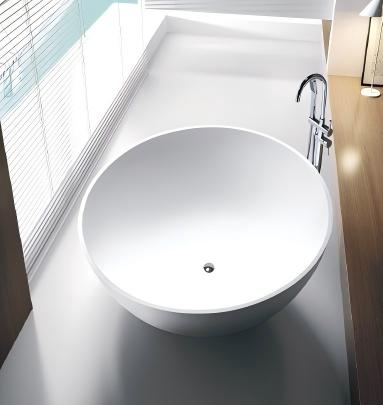
These washbasins are available in different configurations, including countertop vessel basins, integrated vanity sinks, wall-mounted basins, and freestanding pedestal designs. They can also be customized according to bathroom dimensions, drainage requirements, and interior design preferences.
For buyers looking for different bathroom basin designs, Kangyi offers custom solid surface sinks and basins for residential, hospitality, and commercial applications.
What Materials Are Used in Acrylic Solid Surface Washbasin Manufacturing?
The quality of a solid surface washbasin starts with its material formulation. Raw material selection influences the basin's appearance, density, surface characteristics, fabrication performance, and long-term usability.
Acrylic resin (PMMA)
PMMA, also known as polymethyl methacrylate, is an important component of pure acrylic solid surface materials. It acts as the resin matrix that binds the mineral fillers together and contributes to the material's smooth appearance, workability, and repairability.
Aluminum trihydrate (ATH) mineral filler
ATH is commonly used as a mineral filler in acrylic solid surface formulations. It contributes to material density, body, and surface characteristics. The proportion and quality of mineral filler need to be controlled according to the intended product specifications.
Pigments and functional additives
Pigments help create different colors, including pure white, cream, grey, and customized shades. Other additives may be used to support processing stability, color consistency, and the finished product's performance.
Kangyi's pure acrylic solid surface sanitaryware uses a material formulation based on approximately 35%–40% PMMA resin and 59%–64% high-purity ATH mineral filler, with additional functional additives. The actual formulation may vary according to the product and manufacturing specifications.
How Are Seamless Acrylic Solid Surface Washbasins Manufactured?
The manufacturing process depends on the basin structure. One-piece molded washbasins generally use a casting process, while integrated vanity tops may combine solid surface sheet fabrication, basin shaping, adhesive bonding, and finishing. For molded products, the main production stages generally include the following steps.
Material Preparation and Mixing
The first step is preparing the acrylic resin, ATH mineral filler, pigments, and required additives according to the product formulation. The materials are measured and mixed to achieve a consistent composite mixture. Proper mixing is important because uneven dispersion may affect the finished surface, color uniformity, and structural consistency.
Mold Design and Preparation
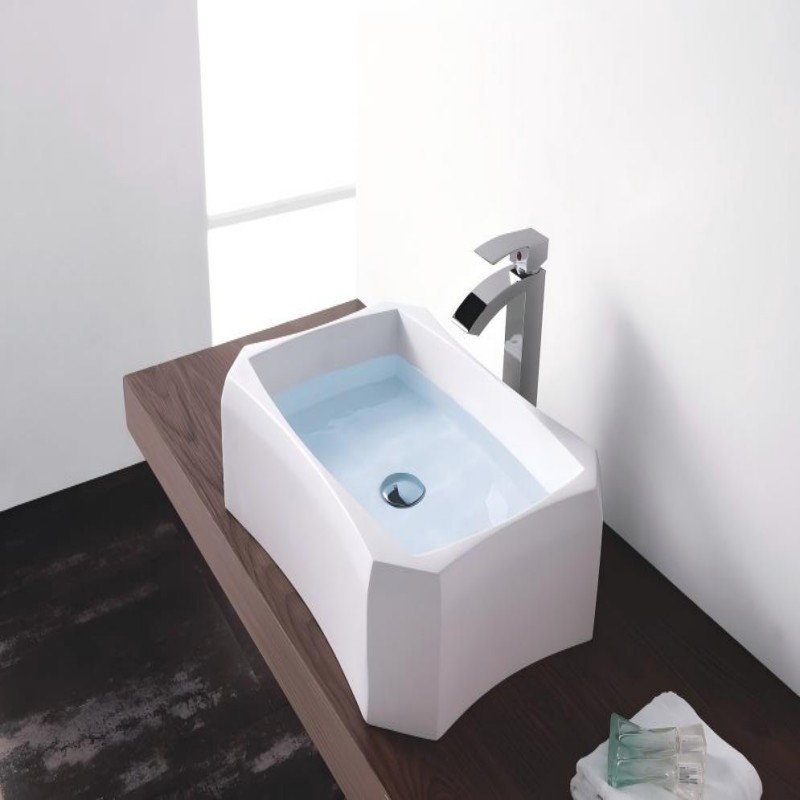
A suitable mold is designed according to the washbasin's dimensions, shape, bowl depth, edge profile, and drainage position. Mold accuracy directly affects the finished product's appearance and dimensional consistency.
Casting and Forming
After material preparation and mold inspection, the composite mixture is introduced into the mold. Controlled casting and forming help distribute the material throughout the basin structure. Depending on the production system, vacuum degassing and other process controls may be used to reduce trapped air and improve material consistency.
Curing and Demolding
The material is allowed to cure under controlled production conditions until it develops sufficient structural stability. Temperature, curing time, and material formulation need to be managed according to the manufacturer's process requirements. Once the product has reached the required condition, it is carefully removed from the mold.
Trimming, Sanding, and Surface Finishing
After demolding, excess material and unwanted edges are removed. The basin is then sanded and polished to achieve the required surface finish. Matte and glossy finishes can be selected according to the design requirements. Particular attention is given to the bowl edges, drainage area, and visible surfaces.
Quality Inspection and Packaging
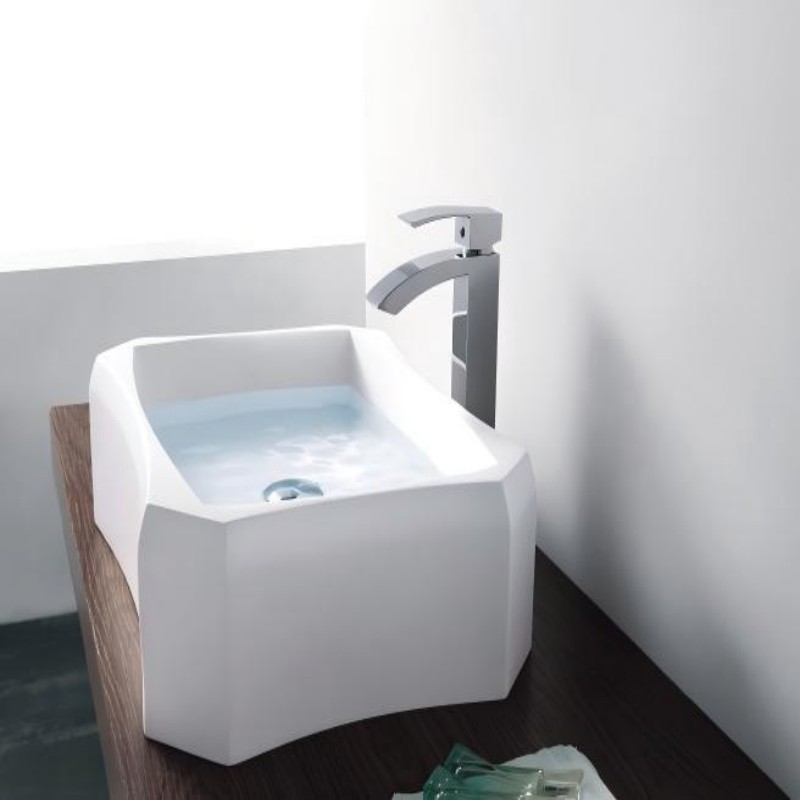
The finished washbasin is inspected for dimensions, surface defects, color consistency, drainage openings, and overall appearance. Depending on the product specification, water drainage and leak-related checks may also be carried out. Protective packaging is then prepared to reduce the risk of damage during storage and transportation.
For customized sanitaryware projects, Kangyi also supports mold development, color matching, and product specifications according to buyer requirements. Its custom pure acrylic solid surface sanitaryware range includes washbasins and other bathroom products for residential and hospitality applications.
How Is a Seamless Connection Created Between the Basin and Countertop?
Not all seamless washbasins are manufactured using a one-piece casting method. Integrated solid surface vanity tops often use a different fabrication process, where the basin and countertop are prepared separately and then joined to create a continuous-looking surface.
The main stages generally include cutting the solid surface material, shaping the basin components, preparing the joint surfaces, applying color-matched adhesive, and finishing the connection area.
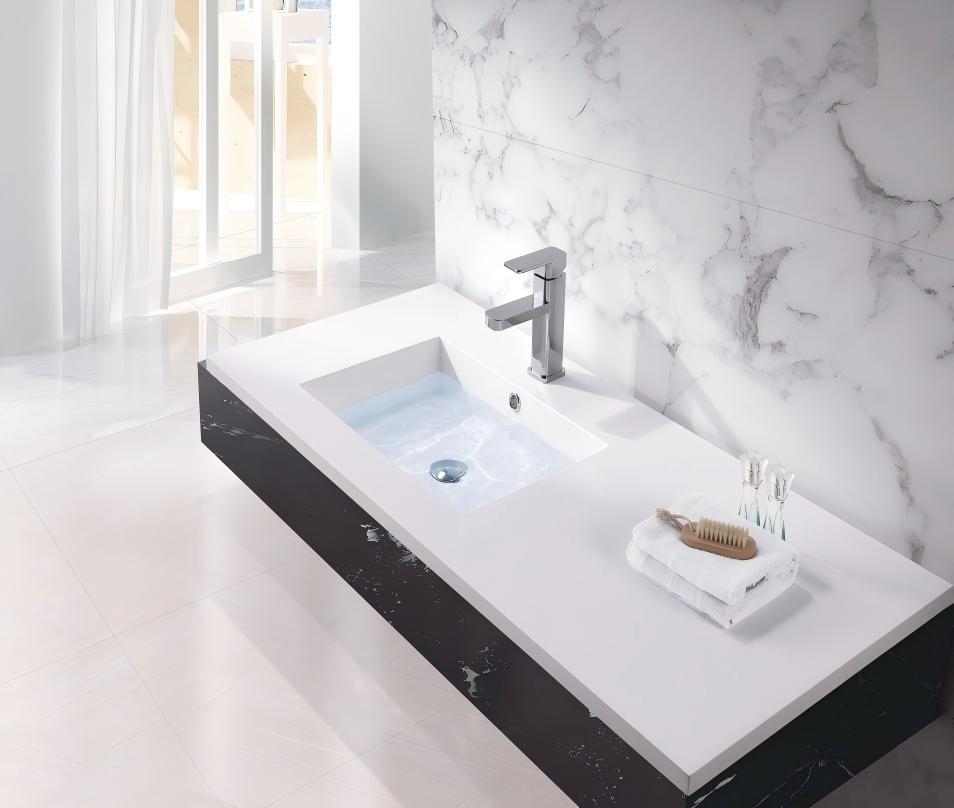
Color-matched adhesive helps make the connection less noticeable after curing and sanding. When properly processed, the transition between the basin and countertop can appear smooth and continuous, without the conventional exposed silicone joint commonly seen around separate sink installations.
This construction is particularly useful for hotel bathrooms, public washrooms, and multi-basin vanity countertops, where cleaning convenience and consistent appearance are important.
Kangyi's custom pure acrylic solid surface bathroom vanity countertops support integrated basin designs, single or double bowls, ramp drainage, faucet cutouts, and customized dimensions based on architectural drawings.
What Shapes and Designs Can Be Customized?
One of the main advantages of acrylic solid surface is its flexibility in product design. Manufacturers can develop different basin shapes and configurations according to bathroom layouts, furniture dimensions, and project requirements.
Countertop Vessel Basins
Vessel basins sit above the countertop and are often used in modern residential bathrooms, luxury hotels, and decorative powder rooms. Round, oval, and rectangular designs are common options.
Integrated Vanity Basins
Integrated basins combine the washbasin and vanity countertop into one coordinated unit. They can be designed with single or double bowls and customized according to cabinet dimensions.
Wall-Mounted Washbasins
Wall-mounted basins provide a clean appearance and help create more usable floor space. They are suitable for compact bathrooms, commercial washrooms, and modern interior projects.
Freestanding Pedestal Basins
Pedestal basins combine the bowl and supporting structure into a sculptural bathroom feature. They can be developed in cylindrical, rectangular, oval, or other customized forms.
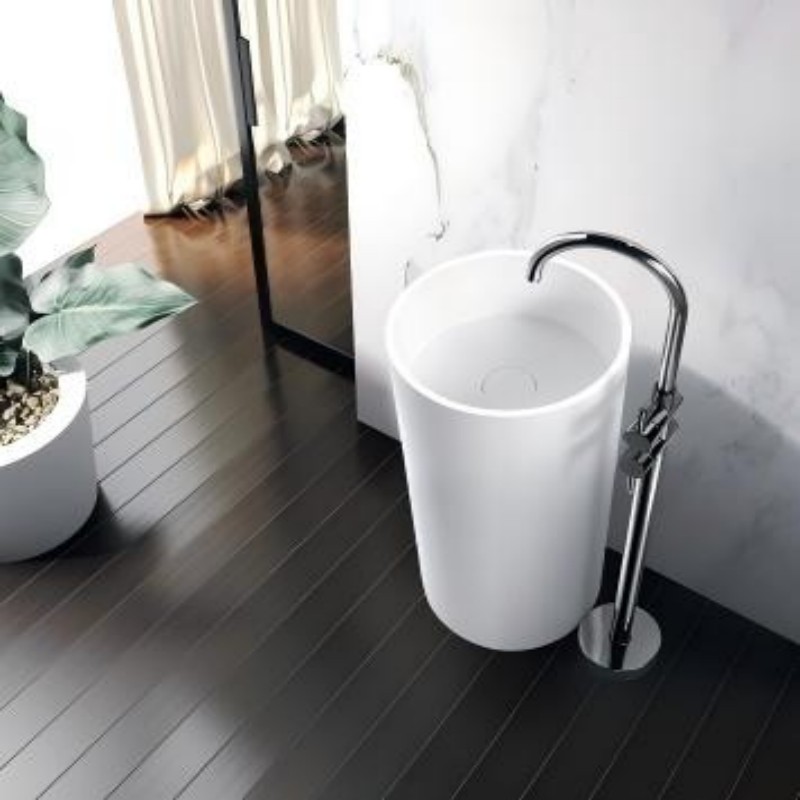
For projects requiring different shapes, dimensions, and configurations, buyers can explore Kangyi's custom artificial stone basins for additional product and customization options.
Why Are Seamless Acrylic Solid Surface Washbasins Suitable for Commercial Bathrooms?
Commercial bathrooms in hotels, resorts, shopping centers, offices, and healthcare facilities often experience frequent daily use. In these environments, washbasin materials need to support regular cleaning while maintaining a consistent appearance.
Non-Porous Surface Structure
A properly manufactured solid surface material has a non-porous structure that helps reduce the absorption of water and common bathroom stains. This makes routine cleaning more convenient.
Fewer Visible Joints
Seamless molded basins and properly bonded integrated sinks reduce exposed joints and narrow gaps where soap residue and dirt can accumulate.
Repair and Refinishing Possibilities
Minor surface scratches on suitable acrylic solid surface products can often be treated through sanding or refinishing, depending on the material specification and damage depth.
Flexible Design and Customization
From compact guest bathroom basins to long commercial vanity counters with multiple washing stations, solid surface materials provide different design and fabrication possibilities.
For projects requiring a coordinated basin and countertop structure, Kangyi also provides integrated artificial stone basins for modern bathroom projects, with customized sizes, mounting styles, and drainage configurations.
What Should Buyers Check When Choosing a Solid Surface Washbasin Manufacturer?
For distributors, contractors, hotel developers, and bathroom furniture manufacturers, choosing the right supplier involves more than comparing product prices. Manufacturing capabilities and customization support can directly influence project quality and delivery efficiency.
- Material formulation: Ask about the resin type, mineral filler content, and material specifications.
- Mold development: Check whether the manufacturer can produce customized shapes and develop molds based on drawings or samples.
- Surface finishing: Confirm the available matte, polished, and customized finish options.
- Dimensional accuracy: Review the manufacturer's ability to control basin dimensions, wall thickness, drainage openings, and installation details.
- Quality inspection: Ask about appearance inspection, dimensional checks, and applicable water or drainage testing.
- OEM and ODM services: Confirm whether the supplier supports private labeling, customized colors, and project-specific designs.
- Export packaging: Check how the products are protected against impact and damage during international transportation.
Providing CAD drawings, reference samples, target quantities, and installation requirements during the quotation stage can help manufacturers evaluate the project more accurately.
Why Choose Kangyi for Custom Acrylic Solid Surface Washbasins?
Foshan Kangyi Building Materials Co., Ltd. is a professional artificial stone manufacturer established in 2010, specializing in product research and development, production, sales, and customized processing.
For bathroom and sanitaryware projects, Kangyi provides solid surface materials and customized products designed for residential, hospitality, and commercial applications. Its product range includes acrylic solid surface washbasins, integrated artificial stone basins, bathroom vanity countertops, and other customized sanitaryware.
Key customization capabilities include:
- Customized washbasin shapes, dimensions, and structures.
- Pure acrylic solid surface material options.
- Custom mold development and product design.
- Matte, glossy, and customized color finishes.
- Integrated vanity tops and seamless basin configurations.
- OEM/ODM services for distributors and commercial projects.
Whether you are sourcing countertop washbasins for a hotel development, developing a private-label bathroom product collection, or purchasing integrated vanity tops for a commercial project, working with a manufacturer that understands both material properties and fabrication requirements is important.
Kangyi works with buyers to evaluate product drawings, material preferences, color requirements, and manufacturing specifications. If you are planning a customized bathroom project, contact Kangyi for product details and a project quotation.
Frequently Asked Questions About Seamless Acrylic Solid Surface Washbasins
How are seamless acrylic solid surface washbasins manufactured?
They are manufactured through either molding or fabrication processes. Molded basins generally involve material preparation, mixing, mold casting, curing, demolding, sanding, polishing, and quality inspection. Integrated vanity basins may also require cutting, shaping, adhesive bonding, and joint finishing.
What materials are used to make acrylic solid surface washbasins?
Pure acrylic solid surface materials generally contain PMMA acrylic resin, ATH mineral filler, pigments, and functional additives. The specific formulation depends on the manufacturer's material specifications and intended application.
What makes a solid surface washbasin seamless?
A molded washbasin is formed as one continuous piece without assembled joints. An integrated basin can also achieve a seamless appearance through color-matched adhesive bonding, careful joint finishing, and surface sanding.
Can acrylic solid surface washbasins be customized in different shapes and sizes?
Yes. Depending on the mold and fabrication method, they can be customized in round, oval, rectangular, square, curved, and other shapes. Dimensions, bowl depth, mounting style, and drainage positions can also be adjusted according to project requirements.
Are acrylic solid surface washbasins easy to maintain?
Yes. Their non-porous surface helps reduce the absorption of common bathroom stains. Routine cleaning generally requires a soft cloth and mild cleaning solution. Specific cleaning instructions should follow the manufacturer's recommendations.
Can solid surface washbasins be used in hotels and commercial bathrooms?
Yes. They are suitable for hotel bathrooms, resorts, offices, commercial washrooms, and other projects requiring customized basin dimensions and coordinated vanity designs. Material specifications should be selected according to the expected usage conditions.
Does Kangyi provide OEM and ODM washbasin manufacturing?
Yes. Kangyi supports customized solid surface sanitaryware projects, including product dimensions, colors, mold development, and design requirements. Buyers can provide CAD drawings, reference samples, or project specifications for evaluation.