Selecting the right tiles for hotels, apartments, and commercial projects involves more than choosing an attractive color or surface pattern. Different buildings have different usage requirements. A hotel lobby needs an elegant appearance that can withstand frequent foot traffic, an apartment needs practical flooring that is easy to maintain, and a shopping center or office building requires surfaces suited to its daily operating conditions.
The best tiles for hotels, apartments, and commercial projects should balance four key factors: appearance, durability, maintenance, and project cost. Tile size, surface finish, water absorption, slip resistance, and batch consistency should also be considered before confirming a large-volume order.
AONAV Ceramics supplies ceramic and porcelain tile solutions for residential and commercial applications, including interior wall tiles, exterior wall tiles, rustic floor tiles, full polished tiles, and wood-look tiles. With different sizes, surface finishes, and OEM/ODM customization options, AONAV helps international distributors, contractors, and project buyers select suitable products for different building requirements.
What Are the Best Tiles for Different Building Projects?
There is no single tile type that is ideal for every building. The right selection depends on the space, expected foot traffic, exposure to moisture, cleaning frequency, and interior design requirements.
For most building projects, porcelain tiles and ceramic tiles are two common choices. Porcelain tiles are generally selected for applications requiring low water absorption and good mechanical performance, while ceramic tiles offer a wide range of decorative options for walls and suitable flooring applications.
The following table provides a practical starting point for commercial and residential tile selection.
| Project Type | Recommended Tile Options | Main Selection Priorities |
|---|---|---|
| Hotel Lobbies | Polished porcelain and large-format stone-look tiles | Visual appeal, wear performance and cleaning |
| Hotel Guest Rooms | Wood-look, marble-look and neutral porcelain tiles | Comfortable appearance and easy maintenance |
| Hotel Bathrooms | Ceramic wall tiles and suitable slip-resistant floor tiles | Water absorption, slip resistance and cleaning |
| Apartments | Porcelain floor tiles, ceramic wall tiles and wood-look tiles | Cost, design coordination and durability |
| Shopping Malls | Suitable commercial-grade porcelain floor tiles | Abrasion resistance, slip performance and cleaning |
| Office Buildings | Neutral stone-look and polished floor tiles | Professional appearance and maintenance |
| Restaurants and Cafés | Suitable textured porcelain and ceramic wall tiles | Cleaning, moisture exposure and slip resistance |
The important point is to match the tile's technical specifications with the actual application. A polished tile that works well in a hotel reception area may not be the best choice for a wet bathroom floor or a commercial kitchen.
Best Tiles for Hotels: Combining Luxury Appearance and Practical Performance
Hotels have several functional areas, and each area places different demands on tile materials. Guests expect an attractive environment, while hotel operators need flooring and wall surfaces that can be cleaned efficiently and maintain their appearance over time.
For hotel projects, it is better to select tiles according to individual zones instead of using the same finish throughout the entire building.
Hotel Lobbies and Reception Areas
The lobby is often the first area guests see when entering a hotel. Large-format polished porcelain tiles, marble-effect tiles, and natural stone-look designs are popular choices for creating an elegant and spacious appearance.
White marble patterns can make reception areas feel brighter, while grey and beige stone textures offer a more understated architectural style.
Large formats such as 600x1200mm can reduce the number of grout joints and help create a more continuous visual layout. However, the tile surface should be selected according to the expected foot traffic and floor safety requirements.
For hotel developers looking for polished interior flooring, AONAV offers Polished Glossy Finish Interior Hotel Apartment Floor Ceramic Tile, designed for refined indoor environments and project-based sourcing.
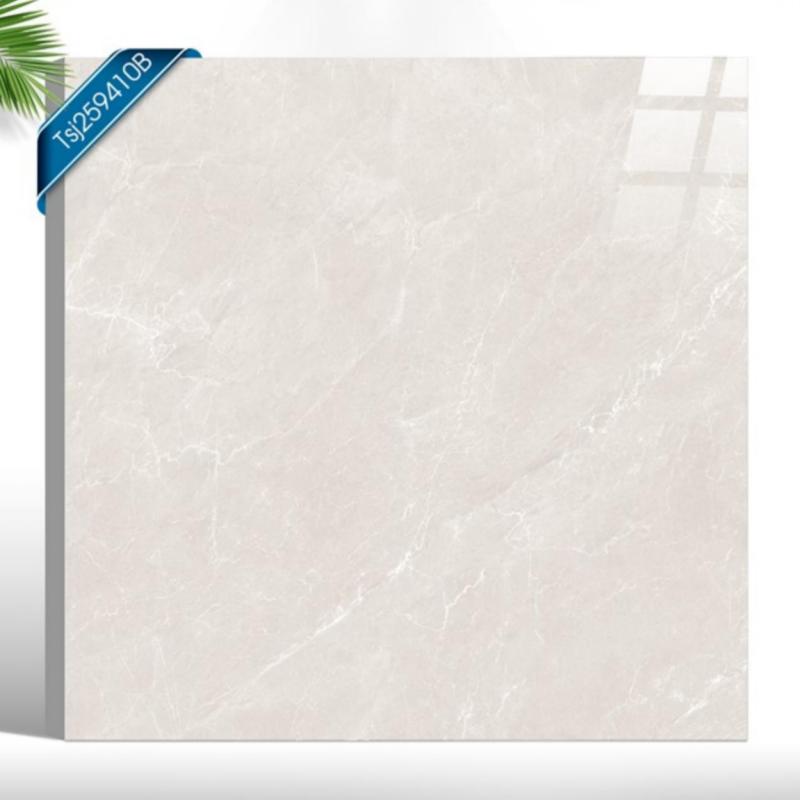
Light marble-inspired polished tile for hotel reception and contemporary interior flooring.
Hotel Guest Rooms
Guest rooms should create a comfortable and welcoming atmosphere. Neutral colors, wood-look patterns, and subtle stone textures are commonly used because they coordinate easily with furniture, wall decoration, and lighting.
Wood-look porcelain or ceramic tiles can provide a warm visual effect without using natural timber flooring. They are particularly useful in projects where the design concept calls for a consistent wood appearance across multiple rooms.
For hotel operators, standardized tile sizes and consistent product batches are important. They help simplify installation planning and make future maintenance or replacement easier.
Hotel Bathrooms and Shower Areas
Bathrooms are exposed to frequent water contact, cleaning products, and changes in humidity. Wall and floor tiles should therefore be selected separately according to their intended applications.
Ceramic wall tiles are commonly used around washbasins, vanity areas, and shower walls. For bathroom flooring, choose a product with appropriate tested slip resistance for wet conditions.
Glossy tiles may create an elegant bathroom wall finish, but their appearance alone does not establish whether they are suitable for wet floors.
Hotel Corridors and Public Areas
Corridors experience repeated foot traffic from guests, employees, luggage carts, and housekeeping equipment. A tile with suitable abrasion performance and a practical surface finish is important.
Neutral grey, beige, and stone-look patterns are common choices because they coordinate with different interior styles and do not make every minor mark visually prominent.
Best Tiles for Apartments: Affordable Design for Everyday Living
Apartment developments usually involve multiple rooms and repeated floor plans. Developers need to balance the appearance of the finished property with material cost, installation efficiency, maintenance requirements, and long-term product availability.
Unlike luxury hotel projects, apartment tile purchasing often involves larger quantities across multiple units. A practical and consistent product range can help control procurement and installation costs.
Living Rooms and Dining Areas
Living rooms are important spaces for apartment buyers, so floor tiles should complement the overall interior design.
600x600mm and 800x800mm floor tiles are common format options for residential living spaces. Large-format 600x1200mm tiles are also suitable for projects aiming for a more contemporary appearance.
Popular colors include light grey, warm beige, creamy white, and natural stone-inspired shades. These tones work well with wooden furniture, neutral walls, and modern lighting.
Apartment Kitchens
Kitchen floors and backsplashes are exposed to cooking oils, food residue, moisture, and regular cleaning. Tiles should be selected with attention to surface cleaning, water exposure, and slip performance.
Glazed ceramic wall tiles are frequently used for kitchen backsplashes because they provide a practical and decorative surface. For floors, select an appropriate floor-rated product rather than assuming that every wall tile can be used underfoot.
Apartment Bathrooms
Bathroom designs often combine light-colored wall tiles with darker or textured floor tiles. This creates visual contrast while allowing different surfaces to serve different practical purposes.
300x600mm wall tiles are a useful option for many bathroom layouts. Larger wall formats, including 600x1200mm, can also create a more continuous appearance with fewer grout joints.
For wet floor areas, check the tested slip resistance of the exact product and ensure the installation provides suitable drainage.
Balconies and Outdoor Areas
Apartment balconies may be exposed to sunlight, rain, temperature changes, and dust. Tiles for these areas should be selected according to local climate conditions and the intended outdoor application.
Textured or rustic-style floor tiles can be considered where additional surface grip is required. Buyers should also confirm that the product is suitable for the expected environmental exposure.
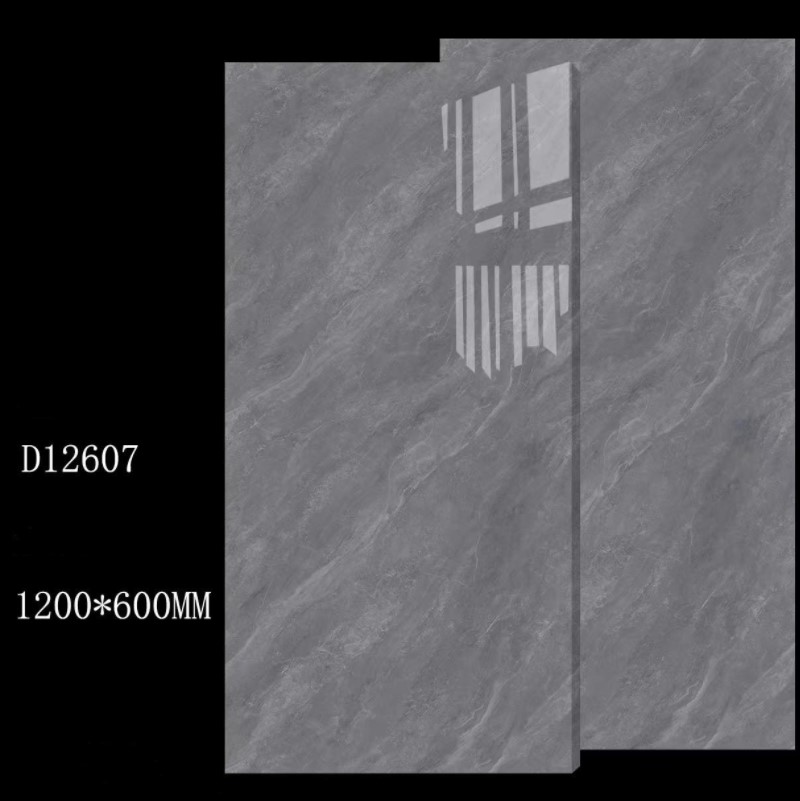
Grey stone-effect tile design in a large-format 600x1200mm specification.
Best Tiles for Commercial Projects: Durability and Maintenance Matter
Commercial buildings often experience heavier and more concentrated foot traffic than private residences. Offices, shopping malls, restaurants, and retail stores may also require more frequent cleaning and maintenance.
When choosing commercial floor tiles, buyers should pay particular attention to abrasion resistance, breaking strength, surface condition, slip resistance, and the expected maintenance routine.
Shopping Malls and Retail Stores
Shopping malls and retail stores need flooring that maintains a consistent appearance while handling repeated pedestrian traffic.
Suitable porcelain floor tiles with appropriate abrasion performance are commonly considered for these environments. Neutral stone-effect patterns and grey polished surfaces can create a clean background for different retail interior concepts.
For entrance areas where rainwater may be carried inside, surface grip and cleaning requirements deserve additional attention.
Office Buildings and Business Centers
Office interiors usually favor understated materials that create a professional atmosphere. Grey stone-look tiles, beige porcelain tiles, and polished surfaces are common choices for reception areas, meeting rooms, and shared corridors.
Large-format tiles can also help create a more organized appearance in open-plan spaces.
Restaurants and Cafés
Restaurant floors are exposed to food spills, liquid residue, cleaning chemicals, and frequent movement of staff and customers.
Floor tiles should be selected according to the cleaning process and expected wet or greasy conditions. In kitchen and food preparation areas, suitable slip resistance and chemical compatibility are particularly important.
Decorative ceramic wall tiles can be used to create feature walls, backsplash areas, and distinctive dining interiors.
Public Corridors and High-Traffic Areas
Public corridors, elevators, and shared building entrances are used by large numbers of people every day. These areas need flooring with suitable wear performance and a surface finish that supports regular cleaning.
For commercial procurement teams, it is worth requesting technical data and samples before confirming the final material specification.
Explore AONAV's ceramic tile flooring collection for different floor tile styles and project applications.
Porcelain Tiles vs Ceramic Tiles: Which Is Better for Building Projects?
Porcelain and ceramic tiles are both widely used in residential and commercial construction. Although they share similar manufacturing principles, their bodies and technical properties can differ.
Porcelain tiles are generally made with a more refined body and fired under controlled high-temperature conditions. Products classified as porcelain typically have water absorption of 0.5% or less under the relevant ISO 13006 classification.
Ceramic tiles cover a broader range of products, including wall tiles and floor tiles with different water absorption characteristics.
The following comparison can help buyers understand their general differences.
| Comparison | Porcelain Tiles | Ceramic Tiles |
|---|---|---|
| Water Absorption | Typically 0.5% or less for classified porcelain tiles | Varies by product category |
| Common Applications | Floors, walls and selected commercial areas | Interior walls and suitable floor applications |
| Design Options | Stone, marble, concrete and wood effects | Wide range of colors, patterns and decorative surfaces |
| Maintenance | Generally easy to clean | Depends on glaze and surface characteristics |
| Project Selection | Suitable where low absorption and floor performance are priorities | Useful for decorative walls and suitable residential applications |
There is no need to specify porcelain tiles for every surface in a building. For example, a hotel may use porcelain flooring in public areas and ceramic wall tiles in guest bathrooms to balance performance and project cost.
Buyers can review AONAV's ceramic and porcelain tile product range to compare available collections and applications.
Which Tile Surface Finish Should You Choose?
Tile surface finish affects not only the appearance of a room but also how the floor performs under different conditions.
For hotels, apartments, and commercial projects, the finish should be selected according to lighting, expected traffic, cleaning frequency, and floor safety requirements.
Glossy and Polished Tiles
Glossy tiles reflect light and create a bright, refined appearance. They are often selected for hotel lobbies, apartment living rooms, reception areas, and decorative wall applications.
Polished marble-effect tiles are particularly popular in projects aiming for a luxurious interior style.
However, polished floors may show footprints, water marks, and scratches more visibly depending on the surface. Their suitability for wet or high-risk flooring areas should be assessed using tested slip resistance data.
Matte Tiles
Matte tiles provide a softer appearance with less surface reflection. They work well in modern apartments, hotel corridors, bathrooms, and commercial interiors where a more understated design is preferred.
Matte surfaces may also help reduce the visibility of certain minor marks, although actual cleaning performance depends on the surface texture and glaze.
Rustic and Textured Tiles
Rustic tiles are inspired by natural stone, aged materials, and traditional flooring styles. Their textured surfaces can add visual depth to outdoor-inspired interiors, balconies, entrances, and selected commercial areas.
Some textured surfaces may provide additional grip, but buyers should not assume that rustic appearance automatically means certified slip resistance.
Wood-Look Tiles
Wood-look tiles reproduce the appearance of natural timber while offering the characteristics of ceramic or porcelain materials.
They are frequently considered for apartment living rooms, hotel guest rooms, corridors, and commercial interiors where a warm design style is preferred.
AONAV's wood-look tile collection provides an alternative for projects seeking timber-inspired flooring designs.
How to Select the Right Tile Size for Large Projects
Tile size plays an important role in the final appearance of a building and the efficiency of installation. Large-format tiles can create fewer grout joints, while smaller formats may provide more flexibility in compact or irregular spaces.
AONAV offers a range of wall and floor tile sizes for different residential and commercial applications.
| Tile Size | Common Application | Project Advantages |
|---|---|---|
| 300x600mm | Bathroom walls, kitchen walls and smaller interiors | Flexible installation and decorative layouts |
| 600x600mm | Apartment floors, hotel rooms and general interiors | Balanced format for different room sizes |
| 800x800mm | Large residential rooms and commercial floors | Fewer grout joints in larger spaces |
| 600x1200mm | Hotel lobbies, apartment interiors and feature walls | Contemporary large-format appearance |
Among these formats, 600x1200mm tiles are widely considered for modern hospitality and residential projects. Their rectangular shape works well for both vertical wall layouts and horizontal floor installations.
For example, AONAV's 600x1200mm customized porcelain wall and floor tiles are available with glossy and matte surface options and can be considered for different interior applications.

Large-format grey stone-effect porcelain tile design for contemporary building projects.
Before ordering large-format tiles, contractors should also consider substrate flatness, tile handling, adhesive selection, cutting requirements, and installation labor. These factors can affect the total installed project cost.
Important Technical Specifications for Hotel and Commercial Tiles
For large-scale procurement, appearance should never be the only selection criterion. Project managers and purchasing teams should review technical documents to ensure that the selected tiles are suitable for their intended applications.
Water Absorption
Water absorption indicates how much water a tile body absorbs under standardized testing. It is an important classification factor for porcelain and ceramic tiles.
For areas exposed to moisture, such as bathrooms and kitchens, buyers should check the actual water absorption value and applicable product classification.
Abrasion Resistance
Floor tiles in hotel lobbies, shopping centers, and public corridors may experience considerable foot traffic. Abrasion resistance and surface wear performance should be checked according to the intended application.
Ask the supplier for the relevant test results instead of relying only on marketing descriptions such as heavy-duty or commercial-grade.
Breaking Strength
Breaking strength is particularly relevant for floor tiles that need to support furniture, equipment, and regular pedestrian traffic.
Large commercial projects should confirm the applicable technical requirements and ensure that installation conditions are suitable for the selected tile.
Slip Resistance
Slip resistance is an important consideration for hotel bathrooms, commercial kitchens, entrances, balconies, and other areas where water or liquids may be present.
Different testing methods may use different ratings, so buyers should specify the required testing standard and application when requesting product data.
Dimensional Consistency and Shade Variation
For projects involving hundreds or thousands of square meters, consistent dimensions and surface appearance help simplify installation and improve the finished result.
Purchasing teams should confirm tile caliber, shade codes, batch identification, and allowable tolerances before accepting mass production.
How Much Do Tile Choices Affect Total Project Cost?
When purchasing tiles for hotels, apartment developments, and commercial buildings, the lowest unit price does not always produce the lowest overall project cost.
The total cost should include several factors:
- Tile purchase price: The unit price and total quantity required.
- Installation cost: Labor, adhesive, grout, cutting, and preparation.
- Transportation: Domestic delivery, export freight, and unloading arrangements.
- Wastage allowance: Additional tiles for cutting, breakage, and future replacement.
- Maintenance: Cleaning frequency and the suitability of the surface for daily use.
- Replacement availability: The possibility of sourcing matching products in the future.
For example, a large-format tile may reduce grout joints and create a refined appearance, but it can require more careful handling and a flatter installation substrate.
Similarly, a decorative tile with a premium surface finish may be suitable for a hotel reception area but unnecessary for every service corridor or back-of-house space.
A practical approach is to divide the project into functional zones and select different tile specifications for each area. This helps balance visual consistency with material and installation costs.
What Should Buyers Look for in a Commercial Tile Manufacturer?
Choosing the right supplier is an important part of successful project procurement. For international buyers, a tile manufacturer's production capacity, quality control, product range, communication, and export experience can directly affect project planning.
Before selecting a supplier, consider the following points:
Product Range and Design Selection
A manufacturer offering different tile categories, sizes, and surface finishes can make it easier to coordinate materials across hotel rooms, bathrooms, lobbies, apartments, and commercial areas.
Quality Control and Technical Documentation
Ask for product specifications, relevant test reports, and quality control procedures. Samples should be reviewed before mass production, particularly when the tiles will be used across multiple floors or building sections.
OEM and ODM Customization
Some projects require specific colors, patterns, sizes, packaging, or branding. OEM and ODM support can provide additional flexibility for distributors, developers, and large-volume buyers.
Minimum Order Quantity and Delivery Planning
Confirm the minimum order quantity, production lead time, container loading arrangements, and shipping terms before placing an order.
For international project procurement, these details are just as important as the product itself.
Export Experience and Communication
A supplier familiar with international markets can help coordinate product selection, samples, order follow-up, documentation, and shipment arrangements.
AONAV Ceramics: Tile Solutions for Hotels, Apartments and Commercial Projects
AONAV Ceramics, operated by Fuzhou Aonav Company in Fujian, China, specializes in the development, production, and export of ceramic tiles for international markets.
The company's product range covers different residential and commercial applications, including:
- Interior wall tiles: Ceramic wall tiles for bathrooms, kitchens, hotel rooms, and decorative interiors.
- Exterior wall tiles: Decorative tile options for building façades and exterior applications.
- Rustic floor tiles: Stone-inspired and textured designs for selected residential and commercial spaces.
- Full polished tiles: Glossy surfaces for living rooms, hotel lobbies, and contemporary interiors.
- Wood-look tiles: Timber-inspired designs for apartments, guest rooms, and commercial interiors.
- Customized tile solutions: Product selection and OEM/ODM support for different purchasing requirements.
With more than 15 years of industry experience, AONAV combines established manufacturing processes with 3D inkjet printing technology to offer marble-effect, stone-effect, and contemporary decorative tile designs.
The company's published product range includes wall tile formats such as 200x300mm, 250x400mm, 300x600mm, 400x800mm, and 600x1200mm, as well as floor tile formats such as 300x300mm, 400x400mm, 500x500mm, 600x600mm, and 800x800mm.
For project buyers, the available sizes and finishes provide flexibility when coordinating different areas of the same building.
AONAV also supports OEM and ODM services, product samples, quality inspection, and export packaging. Its published sourcing information lists one 20-foot container as a typical minimum order quantity, with specific arrangements subject to the selected product and order requirements.
Whether you are sourcing floor tiles for a hotel development, wall tiles for apartment bathrooms, or decorative materials for a commercial building, AONAV can help you compare available products according to your project specifications.
Explore the interior wall tile collection for bathroom, kitchen, and hospitality applications, or contact the team to discuss customized product requirements.
For quotations, product samples, and wholesale purchasing, visit AONAV Ceramics Contact Us and provide your project type, required tile sizes, surface finishes, and estimated order quantity.
Frequently Asked Questions About Tiles for Hotels, Apartments and Commercial Projects
What are the best tiles for hotel floors?
Suitable porcelain floor tiles are commonly considered for hotel lobbies, corridors, guest rooms, and other public areas. Large-format polished tiles can create an elegant appearance in reception areas, while textured or appropriately slip-resistant surfaces may be more suitable for wet or service areas. The final choice should depend on traffic levels and technical performance.
Which tiles are best for apartment flooring?
Porcelain floor tiles, wood-look tiles, and suitable glazed ceramic floor tiles are common choices for apartments. Popular sizes include 600x600mm and 800x800mm, while 600x1200mm tiles are also used in contemporary interiors. Buyers should consider room size, design preferences, maintenance, and budget.
Are porcelain tiles better than ceramic tiles for commercial projects?
Porcelain tiles generally have lower water absorption and are often preferred for demanding floor applications. However, suitable ceramic tiles can also be used for decorative walls and selected flooring applications. Product specifications and intended use should determine the final selection.
What tile size is most popular for hotel and apartment projects?
Common formats include 300x600mm, 600x600mm, 800x800mm, and 600x1200mm. The most suitable size depends on the room dimensions, installation layout, design concept, and project budget.
Are glossy tiles suitable for hotel lobbies?
Yes. Glossy and polished tiles are often selected for hotel lobbies because they reflect light and create a refined interior appearance. However, buyers should evaluate the expected foot traffic, surface maintenance, and slip resistance before choosing a floor finish.
What tiles should be used in commercial bathrooms?
Commercial bathrooms commonly use ceramic or porcelain wall tiles together with floor tiles that have appropriate wet-area slip resistance. Water absorption, cleaning requirements, drainage, and surface performance should all be checked.
Can one tile design be used throughout an entire hotel?
It is possible to use a coordinated tile design across several hotel areas, but different spaces may require different technical specifications. A hotel may use polished tiles in reception areas, practical floor tiles in corridors, and suitable textured tiles in wet areas.
Does AONAV supply tiles for hotel and apartment projects?
Yes. AONAV supplies ceramic and porcelain tile products for residential and commercial applications, including hotels, apartments, and other building projects. Its product range includes interior wall tiles, floor tiles, full polished tiles, rustic tiles, and wood-look tiles.
Does AONAV support OEM and ODM tile orders?
Yes. AONAV provides OEM and ODM customization services. Buyers can discuss available designs, sizes, surface finishes, packaging, and project requirements with the sales team. Customization conditions depend on the specific product and order quantity.
What is the typical MOQ for AONAV tile orders?
AONAV lists one 20-foot container as a typical MOQ for many products. The actual order arrangement may vary according to tile size, design, and product specifications, so buyers should confirm the details before ordering.
What information should I provide when requesting a commercial tile quotation?
Provide the project type, application area, preferred tile size, surface finish, estimated square meters, destination country, and any technical requirements. Drawings, reference images, and sample preferences can also help the supplier recommend suitable products.
Final Thoughts
The best tiles for hotels, apartments, and commercial projects are not necessarily the most expensive or decorative options. They are the products that match the functional requirements of each space while providing the right balance of appearance, performance, maintenance, and project cost.
For hotel developers, this means selecting different finishes for reception areas, guest rooms, bathrooms, and corridors. Apartment developers should focus on practical designs, consistent quality, and efficient installation. Commercial project buyers need to pay particular attention to traffic conditions, technical specifications, and long-term maintenance.
With a diverse range of ceramic and porcelain tile products, different size options, and OEM/ODM services, AONAV Ceramics provides sourcing options for distributors, contractors, and international building projects.
Choosing the right tile supplier at the beginning of a project can make product selection, procurement, and installation planning more straightforward.