You install a led stack light by selecting a visible location, mounting it securely, wiring the stack lights properly, and testing each function. Safety matters, so use quality materials and reliable brands like Otennlux. You can complete the installation with basic tools and guidance, even if you are new to electrical work.
What Are LED Stack Lights?
Definition and Uses
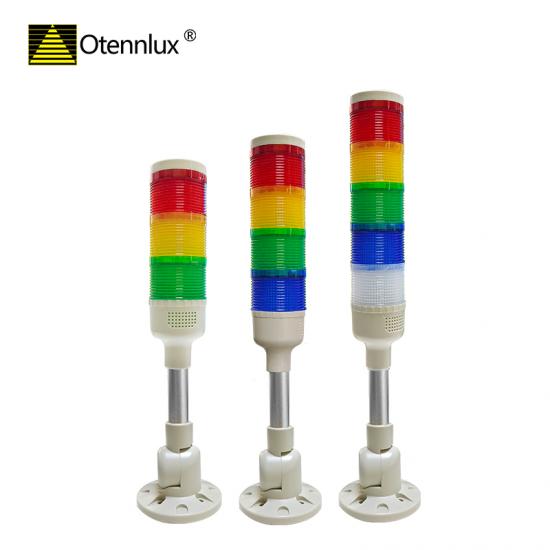
You use a led stack light to signal machine status or alert operators in many environments. This device combines bright led modules and audible alarms to provide clear, fast communication. You often see stack lights on equipment in factories, warehouses, and even some home workshops. The main functions include faster status indication, audible alarms, long-life operation, flexible mounting, 360° visibility, and modular stack design. The table below shows these functions:
|
Function |
Description |
|---|---|
|
Faster Status Indication |
Lets you see machine status quickly, keeping production moving. |
|
Audible Alarm |
Alerts you to faults or urgent conditions, even in noisy areas. |
|
Long-Life LED Modules |
Offers over 50,000 hours of service life and better resistance to vibration. |
|
Flexible Mounting |
Ensures visibility from the best angles for operators. |
|
360° Visibility |
Provides clear indication from all angles across the production floor. |
|
Modular Stack Design |
Allows you to customize the signal stack with different colors and patterns. |
LED stack lights use LED technology, which gives you greater brightness and lower power consumption than traditional signal towers. You benefit from a longer lifespan and more energy-efficient operation.
Common Configurations
You find industrial stack light configurations with high-intensity LEDs, 1-5 segments, and durable materials. The table below highlights typical features:
|
Feature |
Details |
|---|---|
|
Light Source |
High-intensity LEDs |
|
Number of Tiers |
Configurable, commonly 1-5 segments |
|
Operating Voltage |
Typically 24V AC/DC |
|
Protection Rating |
Designed for tough environments (IP65 or higher) |
|
Material |
Industrial-grade polycarbonate |
|
Operating Temperature |
Wide range (-20°C to +50°C) |
|
Mounting Options |
Pole or direct mounting |
|
Energy Efficiency |
Reduces power consumption over time |
You see stack lights in many places, including:
-
Manufacturing and assembly lines
-
Material handling systems
-
Packaging plants
-
Automated storage and retrieval systems
-
Water treatment facilities
-
Process control and monitoring
Why Choose Otennlux?
You want reliable signal lights for your equipment. Otennlux offers led stack lights with robust construction, easy installation, and consistent performance. You get a light tower that withstands harsh conditions and delivers clear signals. Otennlux products feature modular design and high-quality led modules, making them a smart choice for both industrial stack light and home applications.
Tools and Materials for Stack Light Installation
Essential Tools
You need basic tools to install stack lights. The following list helps you prepare for a smooth installation:
-
Screwdrivers (flat and Phillips)
-
Wire strippers and cutters
-
Drill with bits for mounting holes
-
Multimeter for voltage checks
-
Adjustable wrench
-
Electrical tape
You use these tools to mount the stack light, connect wires, and check the system. Otennlux stack lights often include mounting hardware, which saves you time.
Recommended Wiring and Connectors
You want your stack light to last. Choose marine grade wiring for extra durability and resistance to moisture. Waterproof connectors protect your wiring from corrosion. The table below shows recommended materials:
|
Material |
Purpose |
|---|---|
|
Marine grade wiring |
Prevents moisture damage |
|
Waterproof connectors |
Stops corrosion |
|
Heat shrink tubing |
Seals wire ends |
|
Terminal blocks |
Simplifies connections |
You follow the stack light wiring diagram to connect each segment. The diagram shows how to wire led modules and the stack light switch. Otennlux provides clear diagrams with their products, making installation easier.
Safety Gear
You protect yourself during installation. Wear insulated gloves and safety glasses. Use a voltage tester before touching any wires. You avoid accidents by following the stack light wiring diagram and using Otennlux-compatible accessories.
Tip: Always disconnect power before starting work. Double-check connections with a multimeter.
Stack Light Installation Steps
Preparing the Area
You start by preparing your workspace. Clear the area around your equipment and make sure you have enough room to work safely. Remove dust and debris from surfaces where you plan to mount the stack lights. Check for any moisture or oil that could affect the installation. Gather all your tools and materials, including Otennlux mounting hardware and led modules. Lay out your wiring diagram and review the instructions for your led stack light with buzzer.
Tip: Keep your workspace organized. This helps you avoid mistakes and makes the installation process smoother.
Choosing Mounting Location
You select a location that offers maximum visibility. Place the industrial stack light where operators can see it from all directions. Avoid spots blocked by machinery or walls. If you use a stack light with buzzer, make sure the sound can reach the intended area. For outdoor or washdown environments, choose a location with a high ingress protection rating, such as IP65. Otennlux stack lights provide flexible mounting options, so you can install them on poles, walls, or directly on equipment.
|
Mounting Option |
Best Use Case |
|---|---|
|
Pole |
Wide visibility, open spaces |
|
Wall |
Limited floor space |
|
Direct |
Compact machines, panels |
Mounting Methods
You secure the stack light using the method that fits your equipment. Drill holes for mounting brackets or use pre-drilled holes if available. Attach the industrial stack light firmly to prevent vibration or movement. Use corrosion-resistant screws and washers for durability. Otennlux provides sturdy mounting kits that simplify this step. If you install a 24v dc stack light or a 110v stack light, check that the mounting surface supports the weight and vibration resistance.
Note: Tighten all fasteners evenly. Loose mounting can cause signal errors or damage to the led stack lights.
Wiring the Stack Light
You connect the wiring according to the stack light wiring diagram. Plan your wiring and control setup so your panel or PLC has enough outputs for each color and buzzer. Use marine grade wiring and waterproof connectors to protect against moisture and corrosion. Seal wire ends with heat shrink tubing. Connect each segment of the led stack light to the stack light switch. Otennlux products include clear diagrams and labeled wires, making this step easier.
-
Plan wiring and control for each color and buzzer.
-
Use marine grade wiring for durability.
-
Select waterproof connectors to prevent corrosion.
-
Seal wire ends with heat shrink tubing.
-
Follow the wiring diagram for led modules and stack light switch.
Power Requirements
You check the voltage requirements for your stack lights. Most led stack lights operate on 24v dc stack light or 110v stack light systems. Verify the power supply matches the specifications of your Otennlux stack light with buzzer. Use heat and corrosion-resistant materials for all connections. If you use a 24v dc stack light, ensure the power source is stable and can handle the load. For a 110v stack light, confirm the wiring meets local electrical codes.
|
Stack Light Type |
Voltage Requirement |
|---|---|
|
24v dc stack light |
24V DC |
|
110v stack light |
110V AC |
Preventing Voltage Drop
You prevent voltage drop by using proper wiring techniques. Voltage drop can cause the end of the led stack light to appear dim or yellow. To avoid this, inject power at both ends of the cable run. Add power injection at multiple points if the cable is long. Use thicker cables to reduce resistance and ensure proper power distribution across the system.
-
Inject power at both ends of the cable run.
-
Add power injection at multiple points for long runs.
-
Use thicker cables to minimize resistance.
-
Distribute power evenly across the led stack lights.
Tip: Otennlux recommends checking voltage at each segment with a multimeter before finalizing connections.
Testing the Installation
You test the installation before putting the stack lights into service. Turn on the power and activate each segment using the stack light switch. Check that all colors and the buzzer function correctly. Use a multimeter to verify voltage at each segment. Inspect for flickering or dim lights, which may indicate wiring issues or voltage drop. If you find problems, review your wiring and connections. Otennlux stack lights include troubleshooting guides to help you resolve common issues.
Callout: Always test the led stack light with buzzer in real conditions. This ensures reliable operation and clear signals for your team.
Troubleshooting Stack Lights
Light Not Turning On
You may find that your stack light with buzzer does not turn on after installation. First, check the power supply. Make sure your 24v dc stack light or 110v stack light receives the correct voltage. Use a multimeter to test the power at the terminals. Inspect all wiring connections for loose or disconnected wires. If you use an Otennlux product, review the included wiring diagram for guidance. Replace any blown fuses and confirm the stack light switch works properly.
Tip: Always disconnect power before checking wiring to avoid electric shock.
Flickering or Dim Light
Flickering or dim lights often signal voltage drop or poor connections. You should use thicker cables for long runs, especially with a 24v dc stack light. Check for corrosion on connectors and replace any damaged parts. If you use a stack light with buzzer, test the buzzer separately to ensure it does not draw too much power. Otennlux recommends inspecting all terminals for tightness and cleanliness.
Color Sequence Issues
If the colors on your industrial stack light appear in the wrong order, review your wiring. Double-check the stack light wiring diagram and match each wire to the correct segment. You may need to swap wires at the terminal block. Always label wires during installation to prevent confusion. Otennlux stack lights include clear labels to help you avoid this issue.
Other Common Problems
You might notice your 110v stack light or 24v dc stack light does not respond to the stack light switch. Test the switch for continuity. Replace it if needed. If your stack light with buzzer sounds weak, check for proper voltage and inspect the buzzer for damage. For persistent issues, consult the Otennlux troubleshooting guide or contact their support team.
Note: Regular inspection and cleaning help prevent most problems with stack lights.
Stack Light Maintenance Tips
Cleaning and Inspection
You keep your stack lights working well by cleaning them regularly. Dust and grime can block the LED signal and reduce visibility. Use a soft cloth and mild detergent to wipe the lens and housing. Avoid harsh chemicals that may damage the polycarbonate material. Inspect the mounting hardware and wiring for signs of wear or corrosion. Otennlux recommends checking the seals and connectors to ensure water resistance.
Tip: Schedule monthly inspections to catch issues early.
Replacing Parts
You replace worn or damaged parts to maintain performance. Look for cracks in the lens, faded colors, or weak buzzer sounds. Otennlux stack lights offer modular designs, so you can swap out segments or buzzers without replacing the whole unit. Follow the product manual for safe removal and installation.
-
Replace LED modules if brightness drops.
-
Change connectors if you see corrosion.
-
Swap buzzers if sound weakens.
Keeping Otennlux Stack Lights Reliable
You extend the life of your Otennlux stack lights by following proper maintenance routines. Use marine grade wiring and waterproof connectors for all repairs. Store spare parts in a dry place. Test each segment after maintenance to confirm correct operation.
|
Maintenance Task |
Frequency |
Otennlux Tip |
|---|---|---|
|
Cleaning |
Monthly |
Use soft cloth |
|
Inspection |
Monthly |
Check seals/connectors |
|
Part Replacement |
As needed |
Use genuine parts |